⚠️ The Valuable 2009 Dollar Errors & Varieties (Complete Guide)
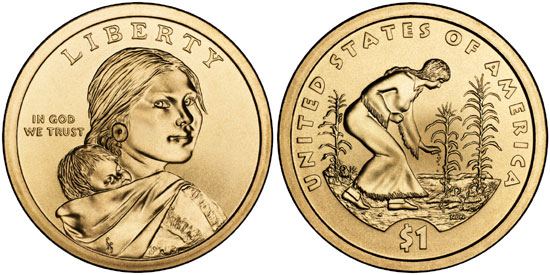
The 2009 Native American dollar series introduced edge lettering for the first time on Sacagawea-design coins, creating a distinct category of mechanical errors tied to the Schuler edge-inscription machine. Below are the five most significant varieties and errors, ranked by collector demand and market value.
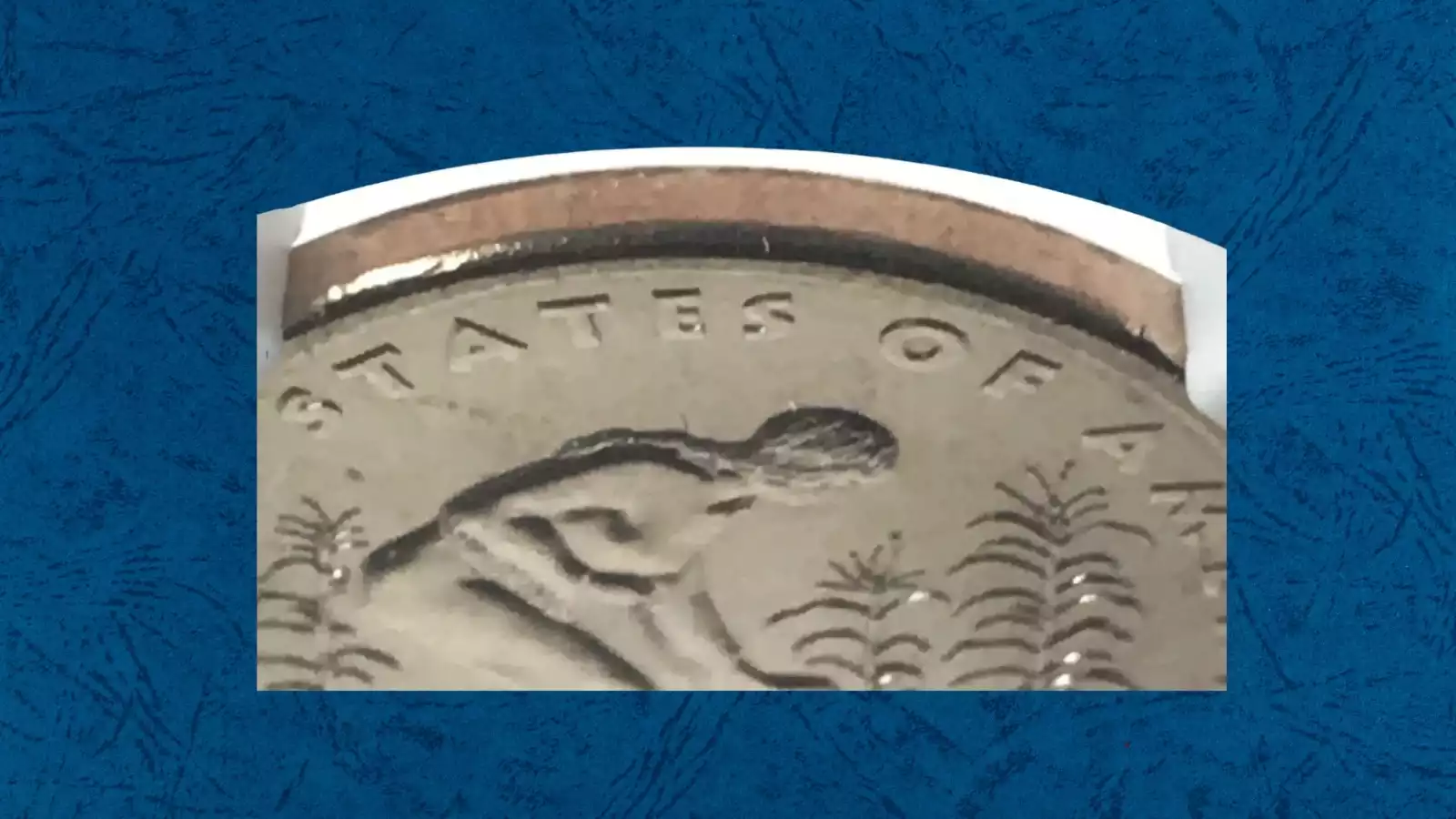
The missing edge lettering error is the signature variety of the 2009 Native American dollar series. It occurs when a finished coin completely bypasses the Schuler edge lettering machine during production, leaving the entire edge surface smooth and uninscribed. Because 2009 was the inaugural year for edge lettering on Native American dollars, collectors treat genuine missing-edge examples as historically significant first-year errors.
Visually, the error is unmistakable: the edge bears no date, no mint mark (P or D), and no "E PLURIBUS UNUM" inscription. The surface is continuous and unbroken from rim to rim. Diagnostically, the coin should measure exactly 26.50mm in diameter — any smaller diameter suggests post-mint filing, which is an alteration, not a genuine error. Weight should still measure 8.10 grams.
Collector premiums are driven by the combination of historical significance (first-year series error), the difficulty of attributing the specific mint origin without edge lettering, and the visual drama of a completely blank edge on an otherwise perfect coin. Low-grade certified examples in MS63 start around $30–$50, while high-grade MS67+ specimens can reach several hundred dollars. A documented 2009 Native American dollar missing edge lettering example sold for just under $10,000, establishing the benchmark for top-condition specimens.
The doubled edge lettering error results from a coin passing through the Schuler edge lettering machine twice, producing two complete sets of overlapping inscriptions on the edge. Variety researcher Ken Potter has documented two principal subtypes: the Overlapped type, where a second set of lettering partially covers the first at a slight rotational offset; and the Inverted type (also called double-struck inverted), where one full set reads upright and the other is upside-down — the most visually dramatic form.
Identification requires examining the edge under magnification. On an overlapped example, letters appear doubled with a shadow or ghost directly adjacent to each primary character. On the inverted subtype, rotating the coin 180° reveals a second complete and legible inscription running in the opposite direction. This subtype is rarer and commands higher premiums at auction than the overlapped form.
Market values reflect both subtype and grade. Common overlapped examples in lower Mint State grades typically start at $30–$50 for raw coins. The inverted subtype in upper gem grades commands a significant premium; for comparison, the 2007-P John Adams series — where this error type was first widely documented — produced MS67 doubled edge examples that sold for over $3,000. The 2009 series, being later in the program, is rarer in top grades and may approach comparable values for certified top-pop examples.
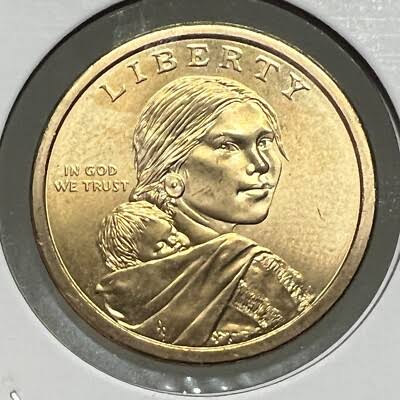
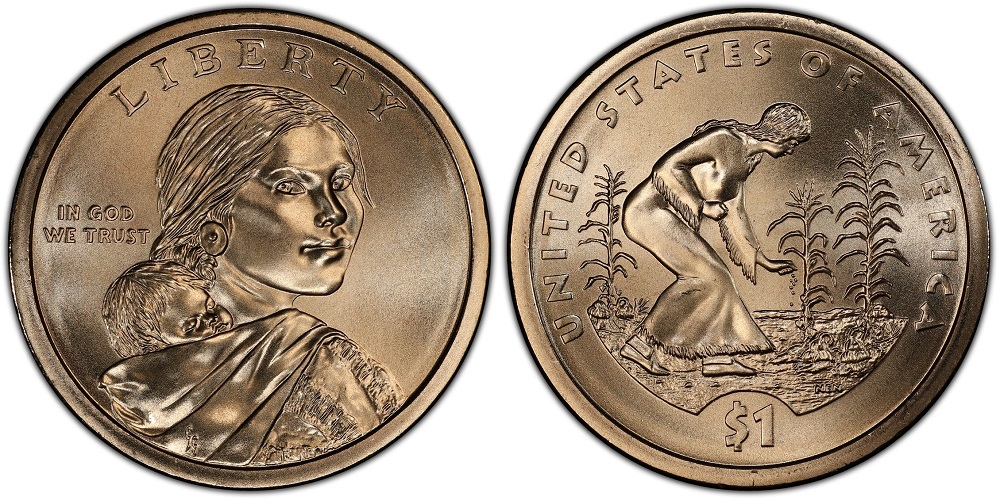
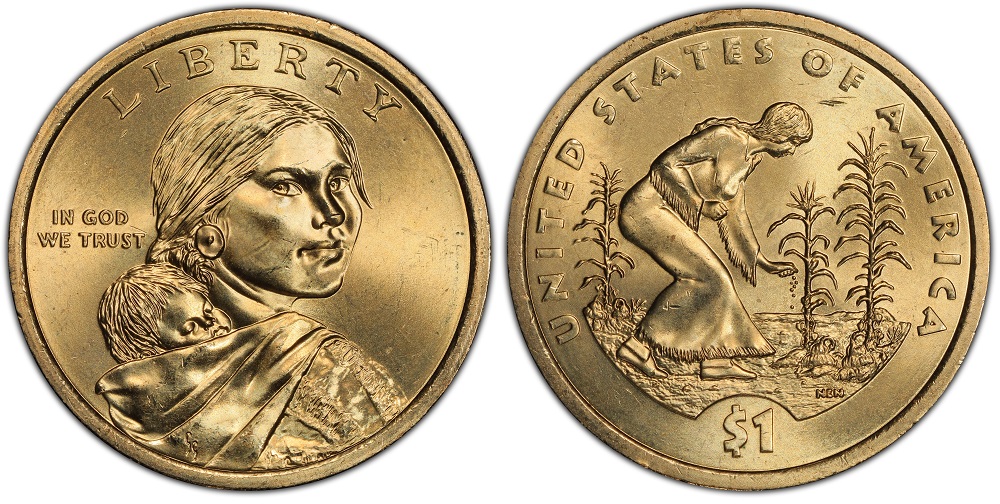
The U.S. Mint included Satin Finish versions of the 2009-P and 2009-D Native American dollars in its annual mint sets. These coins receive a Specimen (SP) designation from grading services rather than the standard Mint State (MS) designation, reflecting their distinct production process: the planchets and dies are treated to create a soft, satin-textured surface rather than the cartwheel lustre of a normal business strike. Collectors and set builders treat these as a separate collectible format.
Visually, the Satin Finish coin displays an even, non-reflective lustre across both the fields and devices. The die strikes on Satin Finish pieces tend to be crisper and more fully detailed than typical business strikes from the same year, making them more attractive in high grades. Grading services assign the SP prefix (e.g., SP67, SP68, SP69) to these pieces to distinguish them from MS-grade business strikes.
The majority of Satin Finish examples grade SP67–SP68, with SP69 or finer considered very scarce. They typically sell for modest premiums above regular business strikes but can command substantial sums at the SP69 level. Price guide data shows SP68 examples trading in the $12–$28 range, while SP69 specimens have realized $185–$250. The SMS Agriculture designation, representing a first-year release of the Three Sisters reverse design in Specimen format, adds an additional layer of desirability for type collectors.
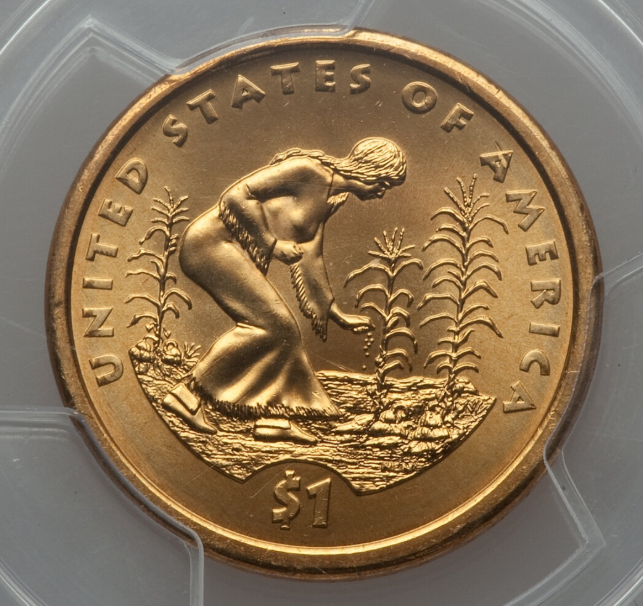
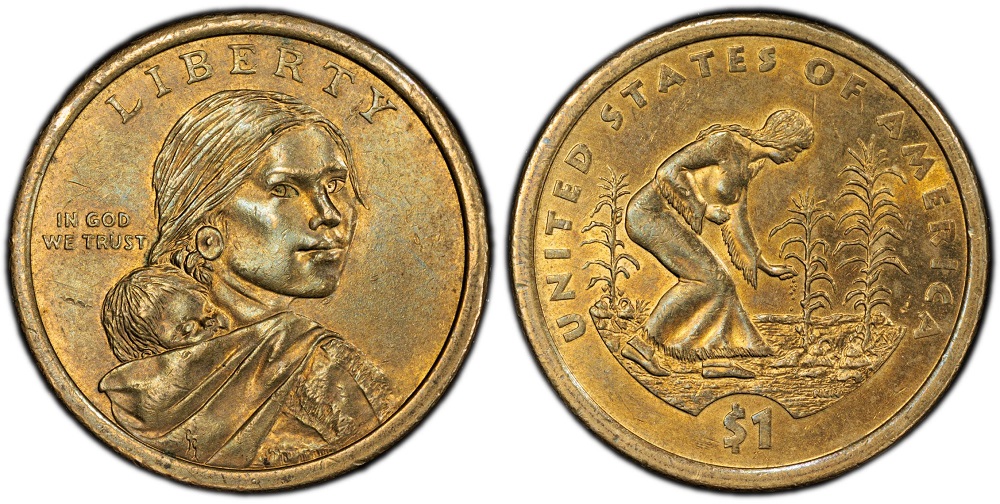
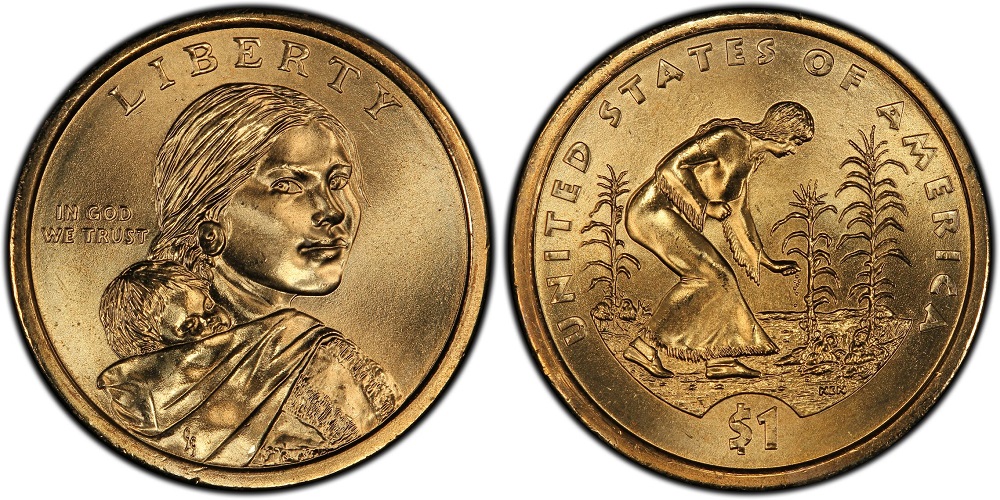
While the 2009-D Sacagawea dollar was struck to a mintage of 35,700,000, achieving a gem-quality example is extraordinarily difficult due to systematic post-strike handling issues at the Denver Mint. Coins struck for circulation were transported in large bins and bags, creating contact marks and surface abrasions that prevent most pieces from reaching gem (MS66+) grades. This handling-induced scarcity in high grades is not intuitive to new collectors who assume high mintage equals easy availability in all grades.
According to PCGS population data, MS67 examples (both Position A and Position B combined) number fewer than 242 certified coins — a population strikingly low for a coin with a 35.7-million mintage. The situation is even more acute at MS68: NGC had certified only a single specimen at that level as of January 2025. No confirmed MS69 business strikes from either the P or D mint are widely documented by the major grading services, making the January 2021 eBay sale of a claimed MS69 example for $1,995 a significant and discussed market event.
The key diagnostic for a potential high-gem 2009-D is an absence of visible contact marks on the highest-relief obverse areas (Sacagawea's cheekbone, the baby's head) and the Three Sisters reverse (the corn stalks and bean tendrils). Full original lustre with no carbon spots or toning is also required. Collectors willing to search through rolls and bags can occasionally find examples that are strong MS65–MS66, but true MS67 coins are genuinely population-rare.
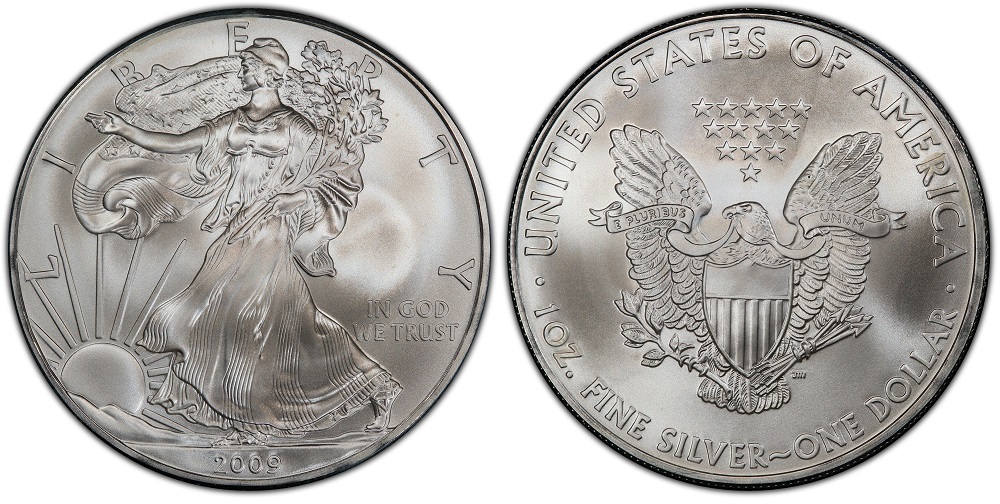
The 2009 American Silver Eagle is a one-ounce .999 fine silver bullion coin that holds a unique place in the series: it is the only year for which no proof or burnished collector edition was issued. The U.S. Mint suspended all collector versions due to unprecedented demand for silver bullion during the 2008–2009 financial crisis. A record 30,459,000 bullion strikes were produced to meet the demand, making this the highest-mintage year in the Silver Eagle series at the time of issue.
The obverse features Adolph A. Weinman's Walking Liberty design, originally used on the 1916–1947 half dollar, while the reverse uses John Mercanti's heraldic eagle design. Despite the record mintage, more than 500,000 coins have been certified by the major grading services, with the most frequently assigned grades being MS69 and MS70. The manganese-brass used for Sacagawea coins does not apply here — this is pure silver struck on a 40.6mm planchet weighing 31.1 grams.
At the bullion level, the 2009 Silver Eagle trades at $5–$10 above the silver spot price, currently placing most examples around $80–$85. MS69 certified coins sell in the $45–$55 range when silver spot is lower, but with current elevated silver prices the effective value rises proportionally. Notably, a PCGS-graded MS70 sold for $264 at Heritage Auctions per NGC auction records. Coins in older-style PCGS or NGC slabs (pre-2019 holders) typically sell for $40 and up, as collector preference for specific holder generations affects premiums.